How Does AI Get to Know Your Business? It Starts With Your Website
Many business owners have heard that AI is changing how customers search for services. But the more useful question is: how does AI actually know who you are? And what makes it recommend one business over another?
The answer is simple. AI does not recommend businesses at random — it needs to understand your business first. And what it can understand usually comes from public information: your website, Google Business Profile, reviews, business directories, and social platforms. Among these, your website is the most important foundation.
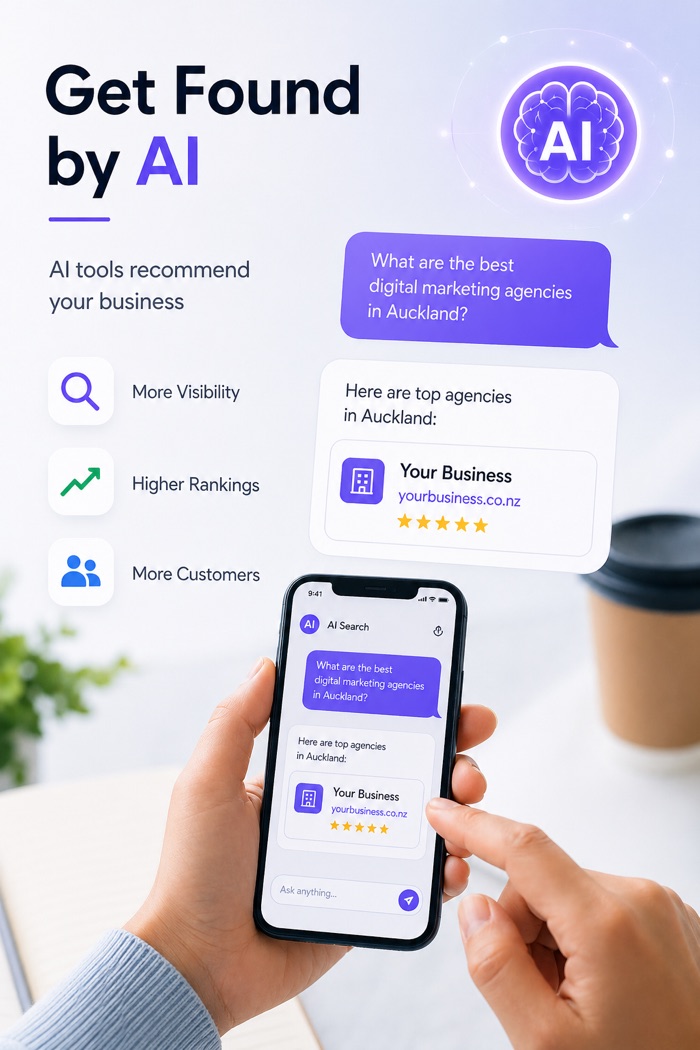
When someone asks, "Is there a reliable bilingual web design company in Auckland?" AI will not call you to check. It can only work with what is already publicly available: what you do, where you operate, who you serve, and whether your information looks clear and trustworthy.
If your website has thin content, vague service descriptions, or outdated information, AI is like an assistant with an almost empty file on your business. It may not be unwilling to recommend you. It simply does not have enough clear information to understand what you do.
AI-Friendly Is Not a Mystery
When people hear "AI optimisation," it can sound technical and complicated. For local businesses, the first step is much simpler: make your information clear.
An AI-friendly website does not mean installing a plugin or stuffing pages with trending keywords. It means having clear content, a sensible structure, accurate information, and pages that answer the questions your customers are already asking.
For example, a page that only says "we provide professional services" gives both AI and customers very little to work with.
But a page that clearly explains that you help Auckland local businesses with Google Maps optimisation, local SEO, and bilingual website development gives AI something specific to connect with a customer's question.
What Your Website Needs to Cover
Your website does not need to be complicated. But it does need to answer a few basic questions clearly.
Who are you, what do you do, and who do you serve? These answers do not need to be long, but they need to be specific. "We help Auckland local businesses get found on Google Search and Google Maps" is more useful than "digital marketing solutions" — for customers, and for AI.
Where do you operate, and what types of clients do you work with? Location and audience details matter. Auckland, local businesses, restaurants, clinics, trade services, or Chinese-speaking business owners — these details should not be hidden where they are hard to find.
Why should a customer trust you? Case studies, reviews, your process, examples of your work, and answers to common questions all help both customers and AI form a clearer picture of your business.
Your Content Is Not Just Written for Customers
There used to be a simple rule: write your website content for your customers. That is still true, but it is only half the picture now.
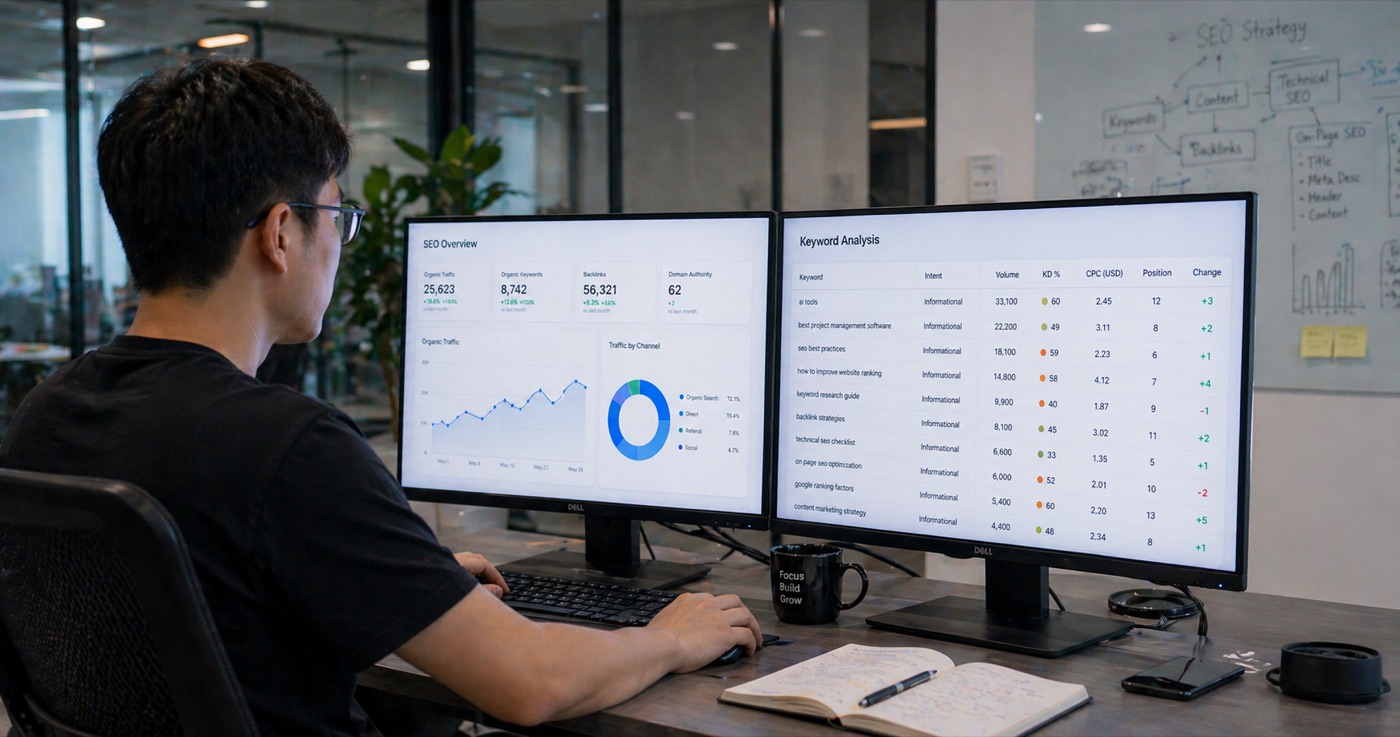
Today, your website content also helps search engines, Google Maps, and AI tools understand your business. These systems use your website and public profiles to assess whether your business information is clear, consistent, and credible.
That is why the first step in AI search optimisation is not chasing the latest technical trend. It is making sure your website works as a clear, accurate, and readable profile of your business.
Your website is the starting point, but it is not the whole picture. In the next article, we will look at why a website alone is not enough, and how local businesses can connect search, Google Maps, and AI recommendations into one joined-up strategy. →